
“The curious paradox is that when I accept myself just as I am, then I can change.”
What is counselling?
Counselling is a process that involves talking with a trained professional to explore and address emotional and psychological issues. It provides a safe and confidential space for individuals to express their thoughts and feelings, and work towards improving their mental health and well-being.
Through counselling, individuals can develop coping skills, manage stress, regulate their emotions, and improve their communication and intimacy in relationships. Additionally, counselling can help individuals increase their self-awareness, make better decisions, and develop positive habits, read the benefits down below.
There are different types of counselling, including Cognitive Behavioural Therapy, Person-centred Therapy, Emotional Freedom Technique and Eye Movement Desensitising Reprocessing (EMDR). Each approach has its own unique features and is tailored to suit the specific needs of the individual.
Choosing the right counsellor is important for a successful counselling experience. It is recommended to consider their qualifications and accreditation, experience and specialization, personal connection and rapport, and cost and accessibility.
If you are experiencing emotional or psychological distress, seeking counselling can be a positive step towards improving your well-being. It is important to remember that seeking help is a sign of strength, and resources are available to help you find the support you need. Joan can do 1 to 1 sessions or group supervisions, broadening the opportunity for her clients to feel comfortable within their appointment. She also offers Bereavement counselling and Couples counselling.
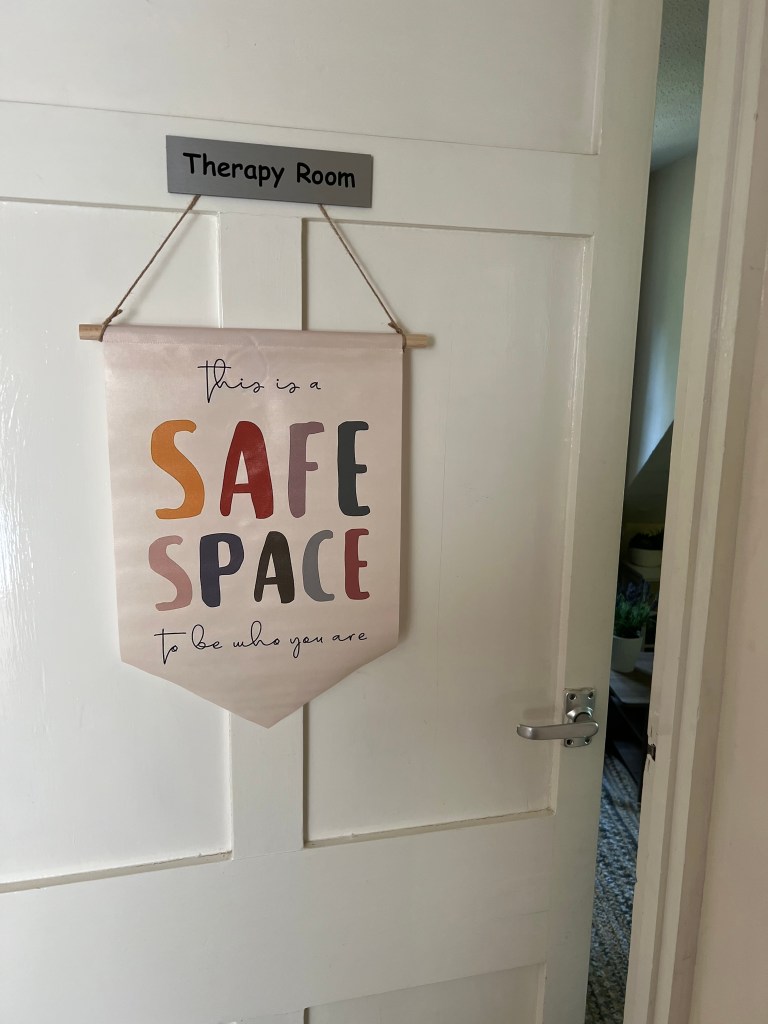
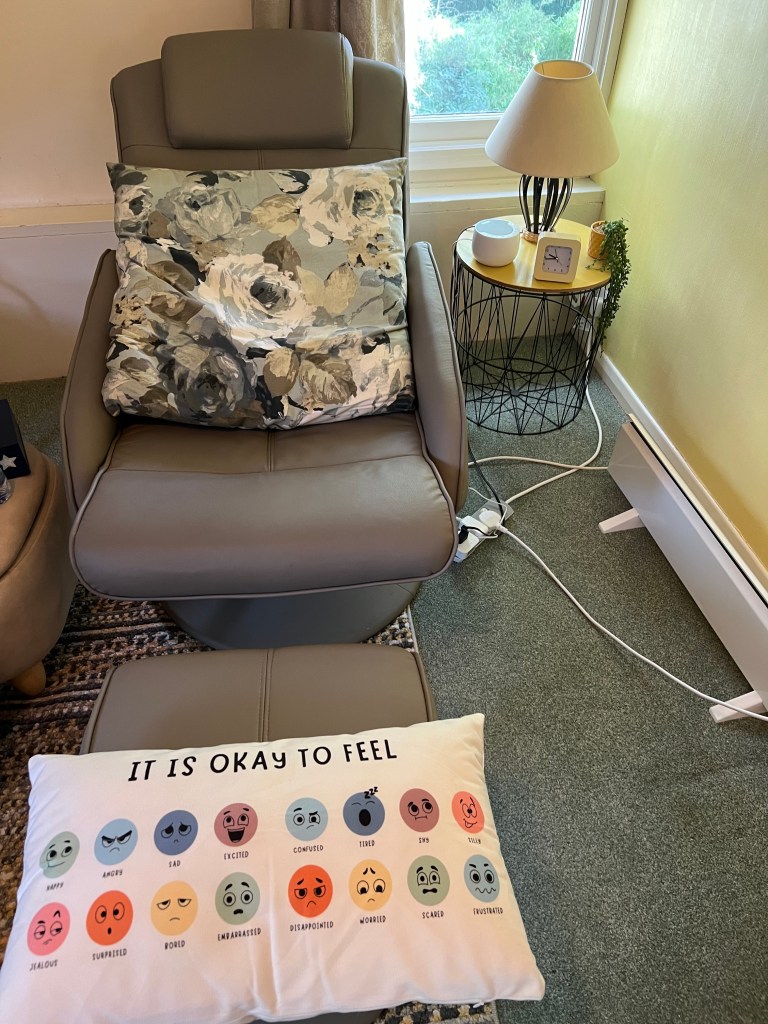
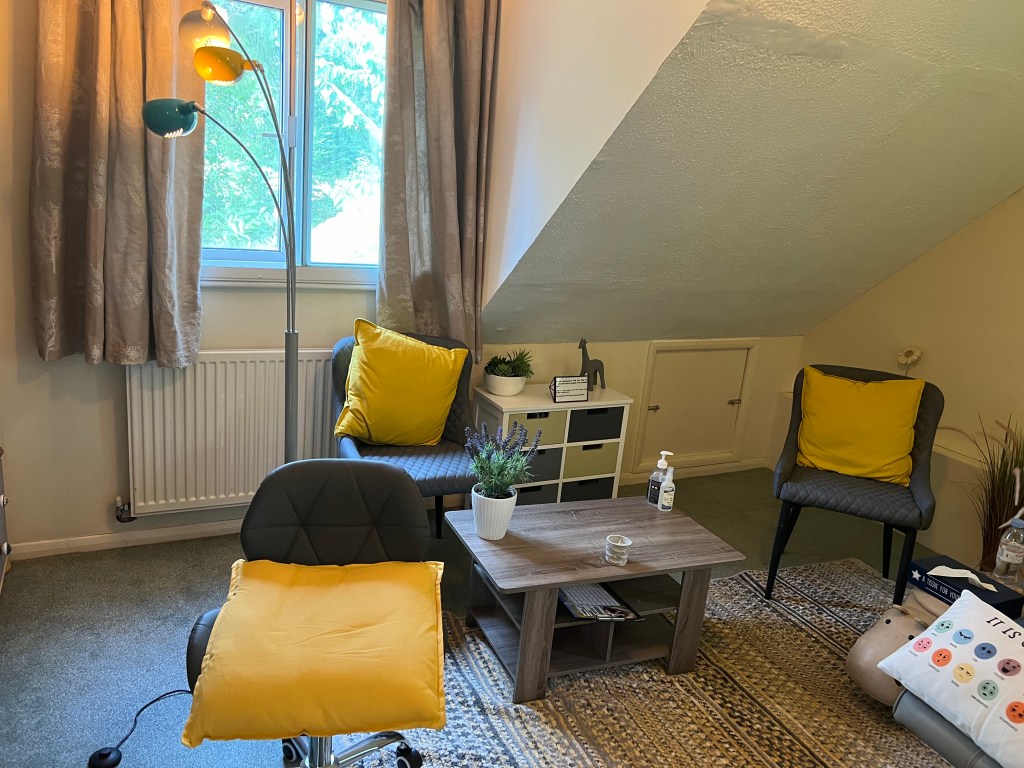
Our Safe Space
What are the benefits of counselling?
- Improved Mental Health: Counselling can help individuals improve their mental health by providing them with a safe and supportive space to explore and address their emotional and psychological issues. Through counselling, individuals can develop coping skills, manage stress, and regulate their emotions, leading to improved mental well-being.
- Enhanced Relationships: Counselling can also help individuals improve their relationships with others. By improving communication and intimacy in relationships, resolving conflicts, and enhancing emotional intelligence, individuals can develop deeper and more fulfilling relationships.
- Personal Growth: Counselling can be an important tool for personal growth and development. By increasing self-awareness, improving decision-making, and developing positive habits, individuals can reach their full potential and live more fulfilling lives.
- Professional Support: Counselling provides individuals with access to professional support and guidance from a trained mental health professional. This can be particularly beneficial for individuals experiencing significant life changes, such as a divorce or career change, or for those struggling with more serious mental health issues.
- Coping with Trauma: Counselling can be particularly beneficial for individuals who have experienced trauma. Trauma can be difficult to process alone, and counselling can help individuals work through their experiences, develop coping skills, and ultimately move forward in a healthy way.
 Ashford Counselling and Hypnotherapy